

We are one of the largest practices in the Los Angeles area specializing in problem-focused Cognitive-Behavior Therapy. All of our clinicians are trained and practice with the most current treatments supported by scientific empirical research. At CBA, all of our treatments are based on proven treatment methods.
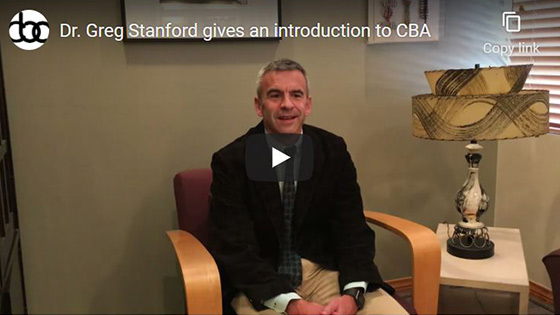
Dr. Stanford gives a brief introduction to our practice here at CBA.
Find out about our mission, our philosophy, and what you can expect from our professional clinicians.
WHAT SKILLS SHOULD YOUR COGNITIVE-BEHAVIORAL THERAPIST HAVE?
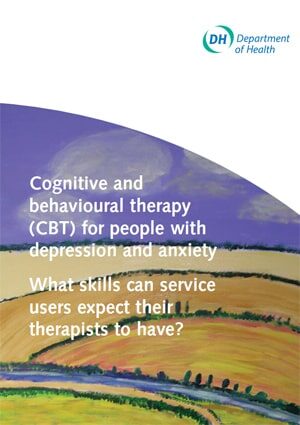
Have you ever wondered what skills your therapist should have? Read this pamphlet distributed by the National Institute for Mental Health in England on what skills your cognitive-behavioral therapist should have.
Watch the video below to further understand how to qualify a therapist.
For up-to-date news about psychological research, CBA, or the Cognitive Behavior Therapy Institute, follow our Facebook page below!
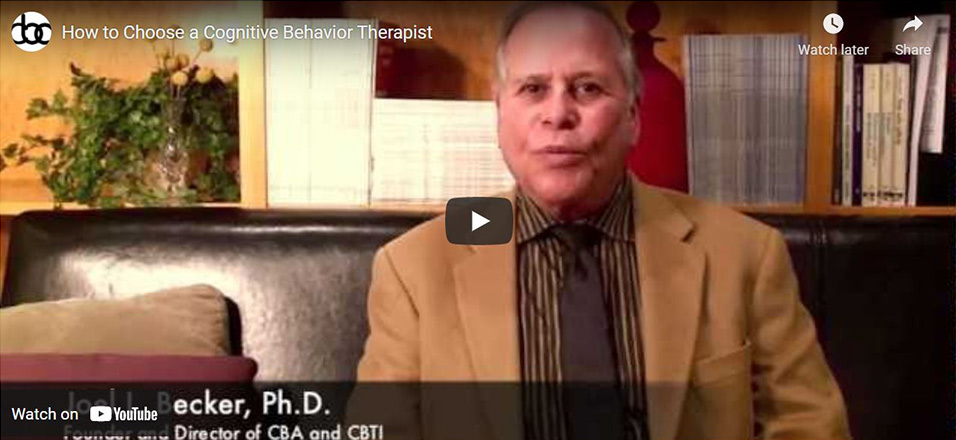
In this video, Dr. Joel Becker discusses what basic questions you should ask when selecting a qualified cognitive-behavioral therapist.

Cognitive Behavior Therapy Institute is approved by the American Psychological Association to sponsor continuing education for psychologists. Courses can be taken by the general public without the continuing education component. The Cognitive Behavior Therapy Institute maintains responsibility for all programs and their content.
UPCOMING LIVE WEBINAR:
Remembering the 'B' in 'CBT': Principles of Behaviorism
Friday, June 14, 2024
9:00AM - 10:30AM PDT
*A recording will be made available for those who can't attend live
Presented by Amanda Gorlick, Ph.D.
About Presenter:
Dr. Amanda Gorlick is a licensed clinical psychologist at Cognitive Behavior Associates. She provides evidence-based treatments to adults with a variety of presenting concerns. Dr. Gorlick is also an adjunct faculty at Pepperdine University Graduate School of Education and Psychology where she teaches graduate students in psychology on the topics of learning theory, behavioral principles, and evidence-based practices. Dr. Gorlick is passionate about sharing her knowledge to both mental health and non-mental health professional audiences through the development and delivery of tailored speaking engagements, lectures, trainings, and consultations.
1.5 CE credits provided

Amanda Gorlick, Ph.D.
Cognitive Behavior Therapy Institute (CBTI) is approved by the American Psychological Association to sponsor continuing education for psychologists. CBTI maintains responsibility for this program and its content. Joel L. Becker, Ph.D., Founder and Director
Webinar objectives:
- Explain the theory that underlies the major behavioral principles.
- Describe the major behavioral principles that modify behavior and their utilization in a variety of clinical settings.
- Create treatment plans that incorporate the major behavioral principles as well as the addition of creativity to allow for more tailored treatment plans.
Click here to download a printable PDF flyer.
Check Out our YouTube Channel
Check out our YouTube Channel for educational and informative videos. Please Follow our channel to learn more!
Sign Up to Stay Updated
Sign up to receive our newsletter! Please join our mailing list to get updates, special offers, and more. Simply click the button below to be added to our list.
follow us on facebook
To learn more about Cognitive Behavior Therapy and the latest research, follow us on Facebook!